The incorrect administration of spinal anaesthesia by young, inexperienced and untrained interns is causing an increasing number of preventable deaths of South African mothers.
According to a study published in the South African Medical Journal, nearly 80% of all deaths associated with complications arising from anaesthesia are due to spinal anaesthesia.
Key areas of concern are the laissez-faire approach doctors have to the procedure and the fact that they’re not adequately trained to detect, or deal with, complications that arise during Caesarean sections.
What is spinal anaesthesia?
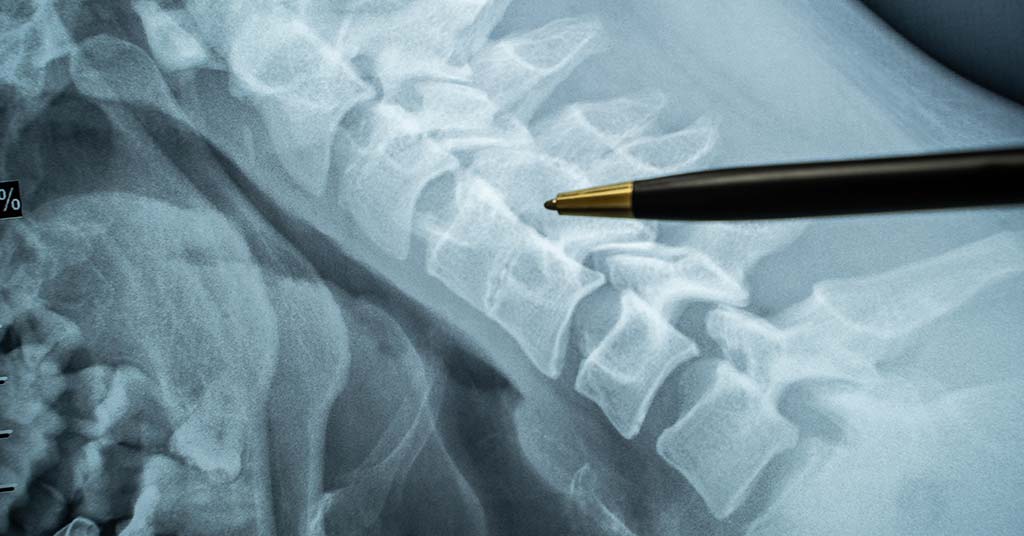
Spinal anaesthesia is a regional anaesthetic administered by injecting the area in the lumbar region of the spinal cord.
It’s used to sedate the lower body during elective and emergency Caesarean sections.
The success of the technique is heavily reliant on the precise administration of the anaesthetic and the constant observation of the mother and baby by a trained medical professional.
What are the associated risks of spinal anaesthesia?
The smallest mistake in the administration of the anaesthetic can have disastrous consequences.
Paralysis, loss of bodily functions, traumatic brain injury, coma and death are outcomes associated with poorly administered spinal blocks and overdosages of anaesthetic.
Intubating the patient incorrectly, neglecting to monitor vital signs and failure to impart the correct information about dietary and alcohol restrictions prior to and after the procedure can result in tracheal damage, asphyxia, cardiovascular injury and birth defects.
Spinal anaesthesia-related deaths on the rise in South Africa
The death rate relating to spinal anaesthesia in state hospitals in South Africa is at an all-time high.
One of the key reasons for this spike is the inappropriate use of the procedure in mothers who are dehydrated, have difficulty breathing or are otherwise medically unsuited to spinal anaesthesia.
Based on statistics in the 2017 edition of the Saving Mothers report, 73 of the 92 deaths associated with complications were due to spinal anaesthesia.
Of these cases, 14% were mothers who died from complications of a general anaesthetic that was administered to the patient because of the ineffectiveness of a spinal block.
More than 90% of these deaths were avoidable.
Core reasons for the high maternal mortality rate
Only 12.5% of doctors practising in public hospital have a diploma in anaesthetics, which is a major contributing factor to the high maternal death rate.
The brain drain of qualified anaesthesiologists from South Africa has resulted in a ratio of just one anaesthesiologist per 450,000 people.
Add poor training, no supervision and inadequate support staff to the above and it’s little wonder the deaths associated with spinal anaesthesia continue to rise in South Africa.
Claims for medical malpractice involving spinal anaesthesia
If you, or a loved one, has suffered harm as a result of spinal anaesthesia and you believe the doctor, anaesthetist or medical staff acted negligently, you may be able to claim for damages.
As with most personal injury claims in South Africa, the onus is on you to prove negligence on the part of the doctor, midwife or supporting healthcare professional.
That’s why it’s essential to recruit the services of personal injury attorneys, such as DSC Attorneys.
We have years of experience dealing exclusively with personal injury claims and have access to a network of witnesses with the in-depth specialist knowledge required to prove medical malpractice by one of their peers.
Contact DSC Attorneys on 0861 465 879 to set up an appointment. We operate on a no-win, no-fee basis.